
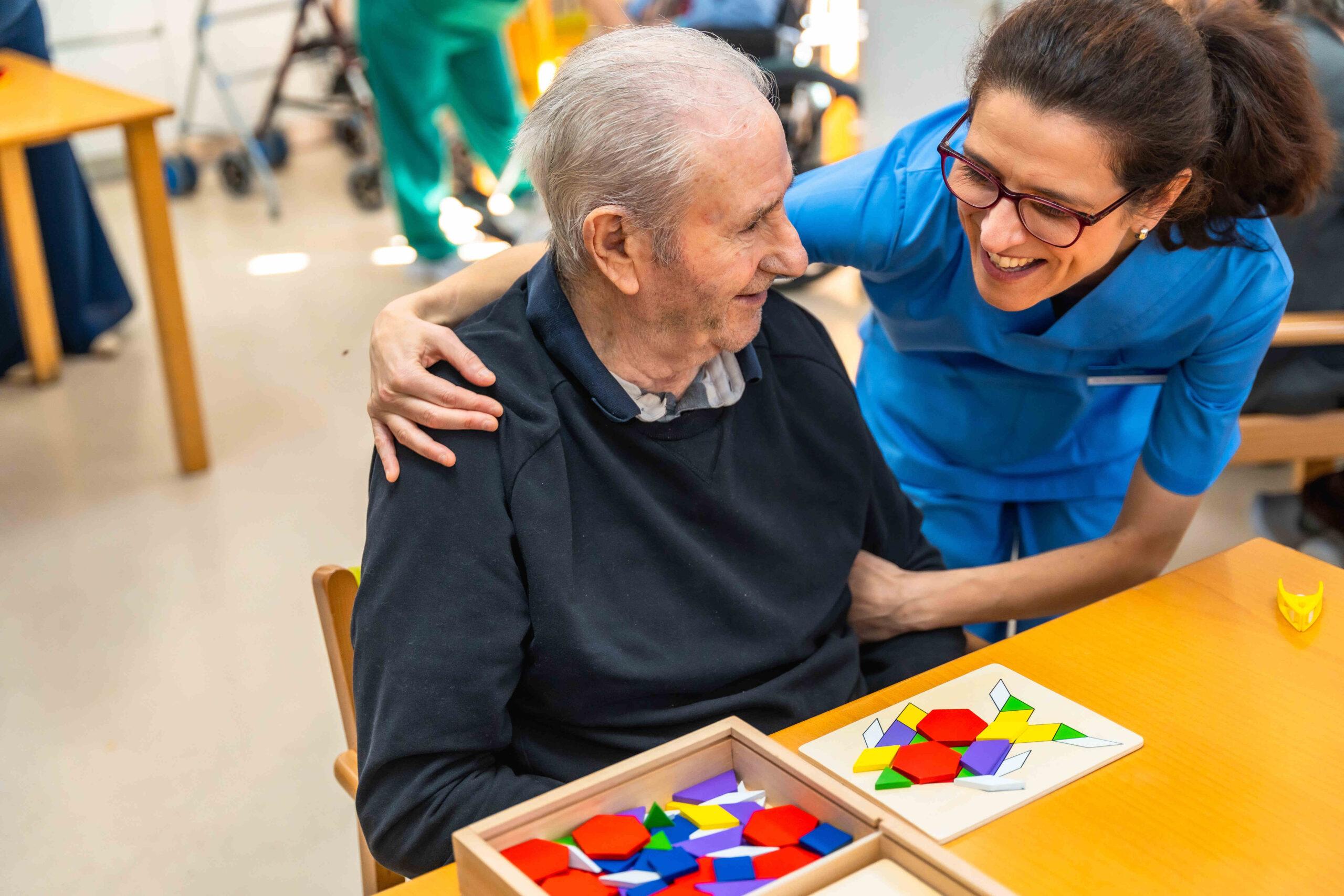
Dementia is a complex and often challenging condition that affects millions of people worldwide. As a caregiver, navigating the emotional and practical aspects of caring for a loved one with dementia can be overwhelming. Understanding the disease, developing effective strategies, and seeking support are crucial for providing quality care and maintaining your well-being. This blog post will explore essential tips for caregivers, helping you create a positive and supportive environment for your loved one.
Understanding Dementia
 Dementia is an umbrella term that encompasses various cognitive impairments, including Alzheimer’s disease, vascular dementia, Lewy body dementia, and Frontotemporal dementia (FTD). These conditions lead to a decline in memory, thinking, and reasoning skills, ultimately affecting daily life. It’s essential to recognize that dementia is not a normal part of aging; rather, it is a progressive disease that requires understanding and patience from caregivers.
Tips for Caring for a Loved One with Dementia
1. Educate Yourself About Dementia
Understanding dementia and its symptoms is the first step in providing effective care. Familiarize yourself with the different types of dementia, common behaviors, and stages of the disease. This knowledge will empower you to anticipate challenges and respond with empathy and patience.
Reference: Alzheimer’s Association
2. Establish a Routine
Creating a structured daily routine can help your loved one feel more secure and reduce anxiety. Consistent meal times, activities, and rest periods can provide a sense of stability. Include familiar activities they enjoy, such as gardening, reading, or listening to music, to promote engagement and comfort.

3. Communicate Clearly and Compassionately
Effective communication is vital when caring for someone with dementia. Use simple, clear language and speak slowly. Avoid overwhelming them with too much information at once. Non-verbal communication, such as maintaining eye contact and using gentle gestures, can also help convey your message. Remember to be patient, as your loved one may struggle to find words or express themselves.
4. Create a Safe Environment
Safety is paramount when caring for someone with dementia. Make necessary adjustments to your home to minimize risks. Remove tripping hazards, secure loose rugs, and ensure adequate lighting throughout the house. Consider installing grab bars in bathrooms and using locks or alarms on doors if wandering becomes an issue. Creating a familiar and safe space will help your loved one feel more comfortable.
5. Encourage Independence
While it’s important to provide support, fostering independence is equally vital. Allow your loved one to participate in daily activities to the best of their ability. This might include tasks such as setting the table, folding laundry, or choosing their clothes. Encouraging autonomy can boost their confidence and sense of self-worth.
6. Be Mindful of Behavior Changes
Individuals with dementia may experience mood swings, agitation, or confusion. Recognize that these changes are often a result of the disease rather than a reflection of their personality. When challenging behaviors arise, remain calm and patient. Try to identify potential triggers, such as hunger, fatigue, or overstimulation, and address them accordingly.
7. Engage in Meaningful Activities
Participating in enjoyable and meaningful activities can significantly enhance the quality of life for someone with dementia. Consider activities that promote engagement and social interaction, such as art projects, puzzles, or reminiscence therapy. Encouraging physical activity, like walking or gentle stretching, can also boost mood and well-being.
8. Seek Support for Yourself
Caring for a loved one with dementia can take a toll on your physical and emotional well-being. Don’t hesitate to seek support for yourself. Join a caregiver support group, connect with friends and family, or consider professional counseling. Taking breaks and practicing self-care are essential to prevent burnout and ensure you can provide the best care possible.
9. Consider Professional Help
If the demands of caregiving become overwhelming, consider seeking professional assistance. In-home care services, adult day programs, and respite care can provide much-needed relief and support. Professional caregivers are trained to handle the unique challenges of dementia care, allowing you to recharge while ensuring your loved one is well cared for.
10. Plan for the Future
Dementia is a progressive disease, and planning for the future is essential. Discuss your loved one’s wishes regarding care and make legal arrangements, such as durable power of attorney and advance directives. Being proactive can help ease the burden of decision-making during difficult times and ensure that your loved one’s preferences are respected.
Conclusion
Caring for a loved one with dementia can be a challenging journey filled with ups and downs. By educating yourself, establishing routines, fostering independence, and seeking support, you can create a nurturing environment that promotes comfort and dignity. Remember that you are not alone in this journey; many resources and communities are available to help you navigate the complexities of dementia care. By taking care of yourself and your loved one, you can find moments of joy and connection, even in the face of adversity.